Seeds for Pregnancy Nutrition
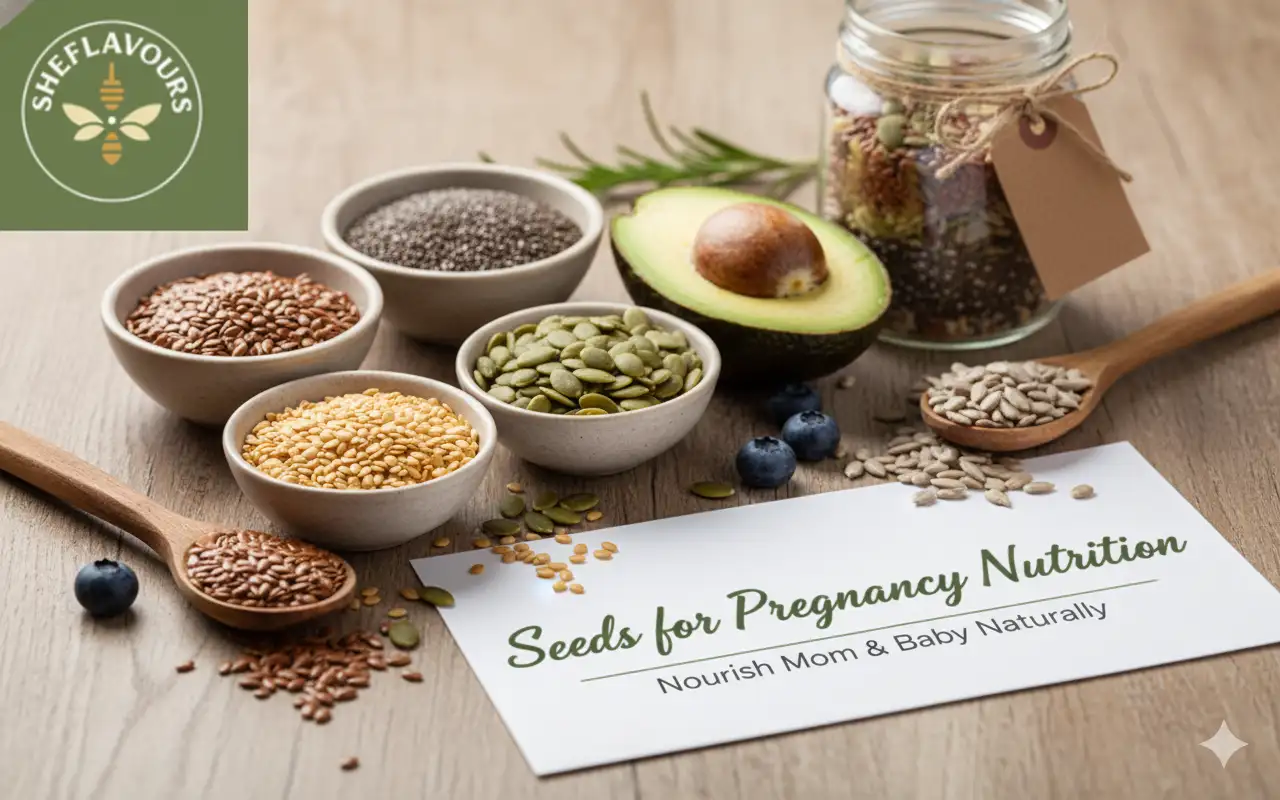
When it comes to nourishing your body for a healthy pregnancy, seeds for pregnancy nutrition play a vital role. These tiny nutrient powerhouses are packed with vitamins, minerals, and antioxidants that support fetal development and overall maternal well-being. But with so many types of seeds available, it can be overwhelming to know which ones to choose and how to incorporate them into your diet.
As we navigate the world of seeds for pregnancy nutrition, let’s start with the basics. Seeds are an excellent source of plant-based protein, fiber, and healthy fats, making them an ideal addition to a pregnant woman’s diet. But did you know that some seeds are more beneficial than others during pregnancy? Let’s take a closer look at some of the top seeds for pregnancy nutrition.
1. Chia Seeds: The Superfood of Pregnancy
Chia seeds are often referred to as the “superfood” of pregnancy, and for good reason. These tiny seeds are packed with omega-3 fatty acids, fiber, and protein, making them an excellent choice for supporting fetal brain and eye development. Chia seeds also help regulate blood sugar levels and promote digestive health, which is essential during pregnancy.
FYI, one tablespoon of chia seeds contains approximately 5 grams of fiber, which is about 20% of the daily recommended intake. Snack on chia seeds soaked in water or add them to your favorite smoothie for a boost of nutrients.
2. Flaxseeds: The Omega-3 Powerhouse
Flaxseeds are another top contender when it comes to seeds for pregnancy nutrition. These tiny seeds are rich in omega-3 fatty acids, which are essential for fetal brain and eye development. Flaxseeds also contain a rich source of fiber and protein, making them an excellent addition to a pregnant woman’s diet.
Did you know that flaxseeds contain a unique type of fiber called mucilage? This gel-like substance helps to slow down digestion and promote feelings of fullness, which can be beneficial for women experiencing morning sickness.
3. Hemp Seeds: The Nutrient-Dense Option
Hemp seeds are a nutrient-dense food that provides an excellent source of protein, fiber, and healthy fats. These tiny seeds are also rich in essential fatty acids, including omega-3 and omega-6 fatty acids, which are essential for fetal development.
Hemp seeds are also a great source of gamma-linolenic acid (GLA), a type of fatty acid that helps to reduce inflammation and promote skin health. Add hemp seeds to your favorite salad or smoothie for a boost of nutrients.
4. Pumpkin Seeds: The Mineral-Rich Option
Pumpkin seeds are a rich source of minerals, including zinc, magnesium, and potassium. These minerals are essential for fetal development and can help to support a healthy pregnancy.
Did you know that pumpkin seeds contain a unique type of mineral called selenium? This essential mineral helps to protect the body against free radicals and promotes immune function.
5. Sunflower Seeds: The Vitamin E-Rich Option
Sunflower seeds are a rich source of vitamin E, an essential antioxidant that helps to protect the body against free radicals. Vitamin E also helps to promote skin health and support immune function.
Sunflower seeds are also a good source of selenium, copper, and manganese, making them an excellent addition to a pregnant woman’s diet. Snack on sunflower seeds or add them to your favorite salad for a boost of nutrients.
When it comes to incorporating seeds for pregnancy nutrition into your diet, there are several ways to do so. Here are a few tips to get you started:
* Add seeds to your favorite smoothie or salad for a boost of nutrients.
* Snack on seeds soaked in water or add them to your favorite snack.
* Use seeds as a topping for oatmeal or yogurt.
* Add seeds to your favorite baked goods, such as muffins or bread.
Incorporating seeds for pregnancy nutrition into your diet can be easy and delicious. By choosing the right seeds and adding them to your favorite recipes, you can support a healthy pregnancy and promote overall well-being.
Whether you’re looking for a quick snack or a nutrient-rich addition to your favorite recipe, seeds for pregnancy nutrition are an excellent choice. So go ahead, get creative, and start snacking on these tiny nutrient powerhouses.
If you’re looking for more ways to nourish your body for a healthy pregnancy, consider reaching out to a professional nutritionist or healthcare provider for personalized advice. And if you’re looking for a convenient and delicious way to incorporate seeds into your diet, consider our professional catering services or meal delivery options.
Get the Inside Scoop on Seeds for Pregnancy Nutrition
Are you expecting and wondering how to boost your nutrient intake? Well, you’re in luck because we’ve got the lowdown on the best seeds for pregnancy nutrition. From chia to flax and everything in between, we’re about to spill the beans.
| Seed Type | Key Nutrient | Benefits for Pregnancy | Recommended Daily Intake |
|---|---|---|---|
| Chia Seeds | Fiber, Omega-3s | Supports healthy digestion, reduces inflammation | 1-2 tbsp/day |
| Flaxseeds | Omega-3s, Fiber | Supports fetal development, eases morning sickness | 1-2 tbsp/day |
| Sunflower Seeds | Vitamin E, Copper | Boosts immune system, supports fetal growth | 1/4 cup/day |
| Pumpkin Seeds | Zinc, Magnesium | Supports fetal development, eases leg cramps | 1/4 cup/day |
| Sesame Seeds | Calcium, Vitamin E | Supports bone health, eases morning sickness | 1 tbsp/day |
In conclusion, incorporating seeds into your pregnancy diet can have a significant impact on your nutrient intake and overall health. Remember to always consult with your healthcare provider before making any significant changes to your diet.
Ready to get started? Head over to our shop to pick up some of these amazing seeds and start reaping the benefits for yourself and your little one. [Click here to explore our selection](https://sheflavours.com/shop). Happy snacking!
Cracking the Code: All Your Questions About Seeds for Pregnancy Nutrition Answered
As you start planning for your little bundle of joy, you’re probably already thinking about all the right foods to eat. And let’s be real, seeds are an awesome addition to your pregnancy diet. But, have you ever wondered which seeds are the best, how to incorporate them into your meals, or if they’re safe to eat? Well, wonder no more! Here are the answers to some of your most pressing questions.
What seeds are safe to eat during pregnancy?
Pregnancy is the perfect time to get your seed-eating game on. Most seeds are safe to eat, but it’s essential to choose organic and unsalted options. Some of the best seeds for pregnancy include pumpkin seeds, sunflower seeds, chia seeds, and flaxseeds. These seeds are packed with essential nutrients like protein, fiber, and omega-3 fatty acids that are great for both mom and baby.
Can I eat too many seeds during pregnancy?
While seeds are an excellent addition to your diet, it’s possible to overdo it. Be mindful of your seed intake, especially if you have any underlying conditions like high blood pressure or bleeding disorders. FYI, eating too many seeds can cause an excessive intake of fiber, leading to digestive issues. So, enjoy your seeds in moderation, and don’t forget to drink plenty of water.
How do I incorporate seeds into my meals?
How do I incorporate seeds into my meals?
Seeds are super versatile and can be easily added to your favorite dishes. Try sprinkling chia seeds or flaxseeds on your oatmeal or yogurt, or toss some pumpkin seeds with olive oil and roast them as a snack. You can also add sunflower seeds to your salads or use them as a topping for soups. Get creative and experiment with different seed recipes until you find ones you love!
Are there any seeds I should avoid during pregnancy?
While most seeds are safe to eat, there are a few types to steer clear of during pregnancy. For example, black sesame seeds and fenugreek seeds may stimulate uterine contractions, while poppy seeds contain opioids that can be problematic during pregnancy. So, it’s best to stick with the safe and commonly consumed seeds like pumpkin, sunflower, chia, and flaxseeds.
Can seeds help alleviate pregnancy symptoms?
Many women swear by seeds as a natural remedy for pregnancy symptoms like morning sickness and constipation. For example, eating small amounts of pumpkin seeds may help alleviate nausea, while chia seeds can help regulate bowel movements. However, always consult with your healthcare provider before trying any new remedies, especially if you have any underlying conditions or concerns.
Conclusion
In this article, we’ve discussed the importance of seeds for pregnancy nutrition, highlighting their rich nutritional profile and potential benefits for expectant mothers. By incorporating seeds into your diet, you can support fetal growth and development, reduce the risk of complications, and promote overall health. Whether you’re a first-time mom or a seasoned pro, seeds for pregnancy nutrition are an easy and delicious way to give your body and baby the nutrients you need.
Quick Tips for Seeds for Pregnancy Nutrition
* Add chia seeds to your oatmeal or yogurt for an extra boost of omega-3s and fiber
* Use flaxseeds as an egg substitute in baked goods and smoothies
* Snack on pumpkin seeds for a crunchy source of protein and healthy fats
* Mix sesame seeds into your salads for a nutty flavor and extra calcium
Clear Next Steps
If you’re looking to incorporate more seeds into your diet, here are a few easy steps to get you started:
1. Start small: Add a tablespoon of chia seeds to your morning oatmeal or yogurt.
2. Experiment with new recipes: Try adding flaxseeds to your favorite smoothie or using pumpkin seeds as a topping for salads.
3. Stock up on seeds: Visit our SheFlavors shop to find a variety of seeds and healthy treats to support your pregnancy nutrition needs.
By taking these simple steps, you can give your body and baby the nutrients you need to thrive. Visit our SheFlavors shop today to discover more healthy treats and recipes to support your pregnancy journey!