How to Create a Balanced Snack Plate
So, you’re a snack enthusiast, huh? You know what they say: “a snack a day keeps the hangry away.” Kidding, but seriously, who doesn’t love a good snack? The problem is, most of us tend to go overboard and end up with a snack plate that’s more like a mini-meal. I mean, don’t get me wrong, a large serving of your favorite snack can be satisfying, but it’s not exactly the healthiest option.
Creating a balanced snack plate is all about finding that sweet spot between satisfying your cravings and taking care of your body. It’s like Goldilocks – not too little, not too much, but just right. But how do you achieve this perfect balance? Let’s dive in and find out.
Understanding the Basics of a Balanced Snack Plate
A balanced snack plate is essentially a miniature version of a balanced meal. It should include a mix of food groups to provide your body with the necessary nutrients, energy, and satisfaction. Here’s a quick rundown of the essential components:
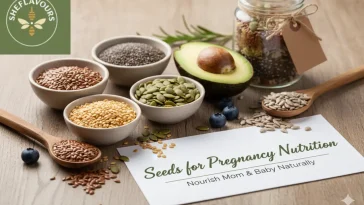
* Protein: This is the building block of your snack, providing you with energy and helping to keep you full. Think nuts, seeds, or even a small serving of cheese.
* Complex Carbohydrates: These are the complex carbs that’ll give you a sustained energy boost. Opt for whole grain crackers, fruits, or veggies.
* Healthy Fats: Yes, you read that right – healthy fats! Think avocado, nuts, or seeds. They’ll keep you satisfied and provide essential vitamins and minerals.
* Fiber-Rich Foods: Fiber is essential for keeping your digestive system running smoothly. Include some high-fiber foods like fruits, veggies, or whole grain crackers in your snack.
Building Your Balanced Snack Plate
Now that we’ve covered the basics, let’s talk about how to build your balanced snack plate. Here are some tips to get you started:
* Start with a base: Choose a whole grain cracker, rice cake, or even a small serving of oatmeal as the base of your snack plate.
* Add some protein: Sprinkle some nuts, seeds, or a small piece of cheese on top of your base.
* Incorporate complex carbs: Add some sliced fruits, veggies, or a small serving of hummus to your snack plate.
* Add some healthy fats: Top your snack plate with some sliced avocado, nuts, or seeds.
* Don’t forget the fiber: Sprinkle some high-fiber foods like chia seeds, flaxseeds, or even a handful of almonds on top of your snack plate.
Sample Balanced Snack Plate Ideas
Here are some delicious and easy-to-make balanced snack plate ideas to get you started:
* Apple slices with almond butter and a sprinkle of chia seeds
* Hummus with carrot and celery sticks and a handful of almonds
* Grapes and cheese with a side of whole grain crackers
* Edamame and whole grain crackers with a drizzle of soy sauce
* Trail mix with a mix of nuts, seeds, and dried fruits
Make it Personal: Tips for Customizing Your Balanced Snack Plate
The beauty of a balanced snack plate is that it can be tailored to your personal preferences and dietary needs. Here are some tips for customizing your snack plate:
* Consider your dietary restrictions: If you’re gluten-free, vegan, or have any other dietary restrictions, make sure to choose ingredients that fit your needs.
* Think about your allergies: If you have any food allergies, make sure to avoid those ingredients in your snack plate.
* Experiment with new flavors: Don’t be afraid to try new flavors and combinations to keep your snack plate interesting.
* Make it fun: Use colorful plates, garnishes, and presentation to make your snack plate visually appealing.
In conclusion, creating a balanced snack plate is all about finding the perfect balance between satisfaction and nutrition. With these tips and ideas, you’ll be well on your way to creating delicious and healthy snack plates that’ll keep you satisfied and energized throughout the day. If you’re ready to take your snack game to the next level, consider hiring a professional catering service like SheFlavours catering to help you plan and execute a customized snack menu that’s tailored to your needs.
Building a Balanced Snack Plate: What to Include
When it comes to snacking, it can be tempting to reach for the nearest bag of chips or box of cookies. But, trust me, those kinds of snacks can quickly add up and derail your healthy eating habits. Instead, consider creating a balanced snack plate that includes a variety of nutrient-dense foods. Here’s a breakdown of what to include:
| Food Group | Example Snack | Nutritional Benefits |
|---|---|---|
| Fruits | Apple slices | High in fiber, vitamins, and antioxidants |
| Vegetables | Carrots with hummus | Rich in vitamins, minerals, and antioxidants |
| Protein | Hard-boiled eggs | High in protein, vitamins, and minerals |
| Whole Grains | Whole-grain crackers | Good source of fiber, vitamins, and minerals |
| Dairy or Calcium-Fortified Alternatives | Cottage cheese | High in protein, calcium, and vitamins |
Creating a balanced snack plate is easier than you think! Simply include a variety of foods from each of these groups, and you’ll be on your way to a healthier snacking habit. For more tips on building a balanced snack plate and finding healthy snack options, be sure to check out our shop page at Sheflavours for inspiration and guidance.
Get Ready for a Balanced Snack Attack!
Let’s face it, snacks are a must-have in our daily lives. But, have you ever stopped to think about what makes a snack truly balanced? I’m guessing not, but don’t worry, we’ve got you covered. Here are the top 5 FAQs about creating a balanced snack plate:
Q: What’s the first step to creating a balanced snack plate?
Start by choosing a variety of foods, FYI, it’s not just about throwing a few random snacks on a plate. Think about different food groups like fruits, veggies, whole grains, lean proteins, and healthy fats. Mix and match to create a colorful snack plate that’s both fun and nutritious.
Q: Do I really need to include a variety of colors on my snack plate?
Yes, you do! Fruits and veggies come in a rainbow of colors, and each color represents a different nutrient. Red means lycopene, orange means vitamin A, and purple means antioxidants. So, go ahead and load up on those colorful snacks to reap the rewards.
Q: How much of each food group should I include on my snack plate?
Q: How much of each food group should I include on my snack plate?
Think of it like a snack buffet, where each food group gets a little slice of the action. Aim for roughly 50% of your snack plate to be fruits and veggies, 25% whole grains, 15% lean protein, and 10% healthy fats. But, honestly, just eyeball it and make sure you’re getting a little bit of everything.
Q: Can I include treats like chips or cookies on my balanced snack plate?
Listen, I’m not here to judge you, but if you’re going to include treats, make sure they’re in moderation. A balanced snack plate isn’t about depriving yourself of your favorite snacks, it’s about finding a balance. So, go ahead and indulge in that cookie, but pair it with some fruit or nuts to balance it out.
Q: How often should I be creating a balanced snack plate?
Make it a habit, folks! Aim to create a balanced snack plate at least 3-4 times a week, and try to make it a part of your daily routine. Before you know it, healthy snacking will become second nature, and you’ll be saying goodbye to those pesky snack cravings for good!
Creating a Balanced Snack Plate: Key Takeaways
In this article, we’ve discussed the importance of creating a balanced snack plate that not only satisfies your cravings but also provides essential nutrients for your body. A balanced snack plate typically consists of a mix of protein, healthy fats, and complex carbohydrates. By incorporating these components, you can maintain energy levels, support weight management, and even help manage chronic conditions like diabetes.
Key Benefits of a Balanced Snack Plate
| Benefit | Description |
| — | — |
| Energy Boost | A balanced snack plate can help maintain energy levels throughout the day. |
| Weight Management | By choosing nutrient-dense snacks, you can support weight management and reduce the risk of obesity-related diseases. |
| Improved Nutrition | A balanced snack plate can help ensure that you’re getting all the essential nutrients your body needs. |
Quick Tips for Creating a Balanced Snack Plate
* Choose whole foods over processed snacks
* Incorporate a mix of protein, healthy fats, and complex carbohydrates
* Pay attention to portion sizes and control your snacking
* Stay hydrated by drinking plenty of water
Clear Next Steps
1. Take a closer look at your current snacking habits and identify areas for improvement.
2. Start by incorporating one or two new snacks into your routine each week.
3. Experiment with different combinations of protein, healthy fats, and complex carbohydrates to find what works best for you.
Take Action Today with SheFlavors
Now that you’ve learned the importance of creating a balanced snack plate, it’s time to take action. Visit our SheFlavors shop to discover a wide range of healthy snack options that can help you achieve your nutrition goals. From delicious protein bars to crunchy energy balls, our products are made with natural ingredients and are perfect for satisfying your cravings on-the-go.