Nut-Free Catering for University Events
When planning university events, catering to diverse dietary needs is crucial, especially for students with food allergies. One such requirement is nut-free catering for kids with severe nut allergies. It’s not just about checking the label, though; you need to ensure that the food options you choose cater to their nutritional needs as well. For vegetarian kids, this means opting for adequate protein sources.
Protein is essential for kids to build and repair muscles, organs, and tissues. For vegetarian kids, finding protein sources can be a bit tricky, but it’s not impossible. As a parent or event planner, it’s your responsibility to ensure they get enough protein in their diet. So, what are some protein sources for vegetarian kids that you can incorporate into your nut-free catering?
Legumes are an excellent source of protein for kids. These include lentils, chickpeas, black beans, and kidney beans. You can add these to salads, stews, or even use them as a main course. For example, you can make veggie burgers with black bean and lentil patties, or serve a hearty lentil soup with some crusty bread. Don’t forget to pair these with some whole grain crackers or rice for a complete meal.
Other plant-based protein sources include tofu, tempeh, and seitan. These can be marinated and grilled or pan-fried for a tasty meal. You can also use them as a meat substitute in dishes like stir-fries or curries. If you’re planning a buffet, consider serving a variety of dishes, including some with tofu or tempeh.
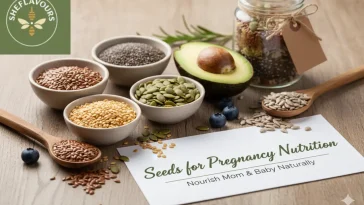
Nuts may be off the menu, but seeds can still be a great option. Pumpkin seeds, sunflower seeds, and chia seeds are all rich in protein and can be added to salads, granola, or even smoothies. You can also use them as a topping for yogurt or oatmeal. Just be sure to choose sunflower seeds that are processed in a nut-free facility to avoid any cross-contamination.
Soy products are another excellent source of protein for kids. You can serve soy milk, soy yogurt, or even soy cheese. These can be used in place of dairy products in many recipes, making it easier to cater to dairy-free diets as well. For example, you can make a soy-based cheese sauce for macaroni and cheese or use soy milk to make a creamy smoothie.
Whole grains are also a good source of protein, although they may not be as high in protein as some of the other options. Still, they can be a great addition to a meal, especially when paired with some legumes or seeds. Brown rice, quinoa, and whole wheat bread are all good options. You can also use whole grains to make veggie burgers or meatballs.
Now that we’ve covered some of the best protein sources for vegetarian kids, let’s talk about how to incorporate them into your nut-free catering. If you’re planning a buffet, consider setting up a few different stations, each with a variety of protein sources. This will give kids (and adults!) a chance to try different options and find what they like.
When it comes to labeling your dishes, be sure to clearly indicate which ones contain protein sources. This will help kids and parents make informed choices about what to eat. You can also consider offering some fun and interactive ways to learn about protein, such as a “protein scavenger hunt” or a “build your own veggie burger” station.
In addition to these tips, it’s also a good idea to consider the following:
– Work with a catering company that specializes in nut-free and vegetarian catering, like SheFlavours catering, to ensure that all your dishes meet the necessary dietary requirements.
– Make sure to communicate with parents and kids about the menu options and ingredients used, so they can make informed choices.
– Consider offering some fun and interactive ways to learn about nutrition and healthy eating, both on and off the menu.
By following these tips and incorporating some of the protein sources for vegetarian kids mentioned above, you can create a delicious and nutritious nut-free catering experience that everyone will enjoy. So, go ahead and get creative with your menu planning, and remember to have fun with it!
Protein Power for Little Ones: Top Sources for Vegetarian Kids
Are you a vegetarian parent looking for reliable protein sources for your little ones? Look no further! We’ve got the inside scoop on the best protein-rich foods for your kids. Here’s a quick rundown of the top protein sources for vegetarian kids, straight from our pantry to yours:
| Protein Source | Protein Content per Serving | Recommended Daily Intake |
|---|---|---|
| Legumes (lentils, chickpeas, black beans) | 15-18g per 1 cup cooked | 1-2 cups cooked per day |
| Nuts and seeds (almonds, chia seeds, hemp seeds) | 5-8g per 1 oz serving | 1/4 cup per day |
| Whole grains (quinoa, brown rice, whole wheat) | 3-5g per 1 cup cooked | 1 cup cooked per day |
| Vegetables (broccoli, spinach, kale) | 2-5g per 1 cup cooked | 1 cup cooked per day |
| Fortified plant-based milk (soy milk, almond milk) | 8-10g per cup | 1 cup per day |
As you can see, there are plenty of protein-rich options for your little vegetarians to munch on. Whether it’s a bowl of quinoa and lentils or a handful of almonds, you can rest assured that your child is getting the nutrients they need to grow strong and healthy. Don’t forget to check out our shop at https://sheflavours.com/shop for all your favorite healthy ingredients and delicious meal ideas!
Protein Power for Little Ones: Answering Your Top Questions About Protein Sources for Vegetarian Kids
As a parent, it’s natural to worry about making sure your kids get enough protein in their diet. And if you’re a vegetarian, it can be even more daunting. But fear not! I’ve got the inside scoop on the best protein sources for your little ones. Check out these FAQs and get ready to become a protein pro!
Q: What are some high-protein foods that are perfect for vegetarian kids?
Let’s get one thing straight: you don’t need meat to get enough protein. There are tons of amazing plant-based options out there. Some of our faves include beans (black beans, kidney beans, and chickpeas are all winners), lentils, tofu, tempeh, and seitan. We’re also big fans of nuts and seeds, like almonds, chia seeds, and hemp seeds. And don’t forget about protein-packed veggies like broccoli and spinach!
Q: How much protein do kids need, and how can I ensure they’re getting enough?
According to the experts, kids need about 0.8 grams of protein per kilogram of body weight per day. So, if your little one weighs 20 kg, they need about 16 grams of protein. Easy peasy, right? To make sure they’re getting enough, try to include a source of protein in every meal and snack. You can also sneak protein powder into smoothies or yogurt, or try adding protein-rich grains like quinoa to their meals.
Q: Can I get enough protein from plant-based milk alternatives?
Most plant-based milk alternatives are low in protein, but there are some exceptions. Soy milk and pea milk are both great options, with about 8 grams of protein per cup. You can also try adding a scoop of protein powder to your milk of choice. And don’t forget about other high-protein beverages like smoothies and protein shakes!
Q: Are there any protein-rich foods that are kid-friendly?
Oh yeah! Kids love food that’s fun and easy to eat, and we’ve got some great options for you. Try making veggie burgers or protein-packed snacks like energy balls or trail mix. You can also sneak protein into their favorite meals by adding beans or tofu to pasta sauce or tacos. And don’t forget about protein-rich dips like hummus or guacamole – kids love ’em!
Q: Can I rely on protein bars for my kid’s protein needs?
Uh, no. While protein bars can be a convenient option, they’re not a reliable source of protein for kids. They’re often high in added sugars and low in essential nutrients. Plus, they can be expensive and unhealthy. Stick to whole foods, folks – they’re the best way to go!
Conclusion: Nourishing Our Little Ones
In this article, we’ve explored some fantastic SheFlavors shop protein sources for vegetarian kids, debunking common myths and highlighting the importance of a balanced diet. By incorporating these options into your child’s meals, you’ll be providing them with the energy and nutrients they need to grow strong and healthy. With a little creativity and planning, you can ensure your little ones are getting all the protein they need to thrive.
Key Takeaways
* Legumes, such as lentils and chickpeas, are an excellent source of protein for kids.
* Nuts and seeds, like almonds and pumpkin seeds, are a tasty and convenient option.
* Whole grains, including quinoa and brown rice, provide a good amount of protein.
Clear Next Steps
1. Start incorporating more plant-based protein sources into your child’s meals.
2. Experiment with new recipes and flavors to keep things interesting.
3. Consult with a healthcare professional or registered dietitian for personalized advice.
Get Started Today
Don’t wait – start nourishing your little ones with the best protein sources for vegetarian kids. Visit our SheFlavors shop to explore our range of healthy treats and snacks that are perfect for kids of all ages.