Seeds for Cardiovascular Health
Seeds have been a staple in many cuisines around the world for centuries, and for good reason. They’re packed with nutrients, fiber, and a host of health benefits that can do everything from soothing indigestion to fighting off chronic diseases. But did you know that some seeds, in particular, have been shown to have a profound impact on cardiovascular health? That’s right, folks; we’re talking about the amazing seeds for cardiovascular health.
So, what makes these seeds so special?
It all starts with the fact that many of these seeds are rich in heart-healthy nutrients like omega-3 fatty acids, antioxidants, and fiber. These nutrients work together to lower cholesterol levels, prevent blood clots, and even help to regulate blood pressure. But that’s not all – some seeds have also been shown to have anti-inflammatory properties, which can help to reduce the risk of heart disease.
The Top Seeds for Cardiovascular Health
Now that we’ve established the importance of seeds for cardiovascular health, let’s take a closer look at some of the top seeds that can help you achieve a healthier heart.
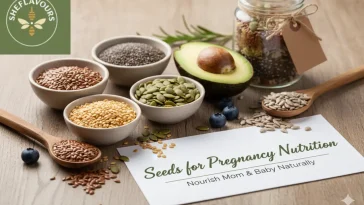
– **Chia Seeds**: These tiny seeds are packed with omega-3 fatty acids, fiber, and antioxidants. They’ve been shown to help lower cholesterol levels, improve blood lipid profiles, and even reduce inflammation.
– **Flaxseeds**: Flaxseeds are another great source of omega-3 fatty acids, as well as fiber and antioxidants. They’ve been shown to help lower cholesterol levels, improve blood pressure, and even reduce the risk of heart disease.
– **Pumpkin Seeds**: Pumpkin seeds are a rich source of magnesium, zinc, and other essential minerals. They’ve been shown to help lower blood pressure, improve lipid profiles, and even reduce the risk of heart disease.
– **Sesame Seeds**: Sesame seeds are a great source of antioxidants, fiber, and healthy fats. They’ve been shown to help lower cholesterol levels, improve blood lipid profiles, and even reduce inflammation.
– **Sunflower Seeds**: Sunflower seeds are a rich source of vitamin E, selenium, and other essential minerals. They’ve been shown to help lower cholesterol levels, improve blood pressure, and even reduce the risk of heart disease.
How to Incorporate Seeds into Your Diet
Now that we’ve covered the top seeds for cardiovascular health, let’s talk about how to incorporate them into your diet. Here are a few tips to get you started:
– **Start small**: Begin by adding a small handful of seeds to your oatmeal, yogurt, or salad each day. You can also try adding them to your smoothies or using them as a topping for your favorite dishes.
– **Experiment with different types**: Try different types of seeds, such as chia, flax, or pumpkin seeds, to see which ones you like best.
– **Grind them up**: If you’re not a fan of eating seeds whole, try grinding them up and adding them to your favorite recipes.
– **Make a seed butter**: You can also make a delicious seed butter by grinding up your favorite seeds and mixing them with a little oil.
Final Thoughts
Incorporating seeds into your diet can be a simple and delicious way to boost your cardiovascular health. With their rich nutrient profile and versatility in the kitchen, it’s no wonder that seeds for cardiovascular health are becoming increasingly popular. So why not give them a try? Your heart will thank you.
Looking for a delicious and healthy meal option? Consider our professional catering services, which feature a range of heart-healthy dishes made with nutritious seeds and other wholesome ingredients. Our team of expert chefs can work with you to create a customized menu that meets your dietary needs and preferences. Whether you’re looking for a quick and easy meal solution or a special occasion menu, we’ve got you covered. So why not give us a call today and see how we can help you achieve a healthier, happier you?
Unlock the Power of Seeds for Cardiovascular Health
Are you looking for a natural way to support your heart health? Look no further than the amazing world of seeds! From chia seeds to flaxseeds, and beyond, these tiny powerhouses are packed with nutrients that can help keep your cardiovascular system in top shape. In this section, we’ll break down the top seeds for cardiovascular health, so you can get started on your journey to a healthier heart.
| Seed | Key Nutrients | Benefits for Cardiovascular Health |
|---|---|---|
| Chia Seeds | Omega-3 fatty acids, fiber, protein | Helps lower cholesterol, reduces inflammation, and improves blood lipid profiles |
| Flaxseeds | Alpha-linolenic acid (ALA), fiber, protein | Supports heart health by reducing inflammation, improving blood lipid profiles, and preventing blood clots |
| Sunflower Seeds | Vitamin E, selenium, magnesium | Helps protect against cell damage, reduces inflammation, and improves blood vessel function |
| Pumpkin Seeds | Zinc, magnesium, protein | Supports heart health by reducing inflammation, improving blood lipid profiles, and preventing blood clots |
| Flaxseed Oil | Alpha-linolenic acid (ALA), linoleic acid | Helps reduce inflammation, improve blood lipid profiles, and prevent blood clots |
In conclusion, incorporating these seeds into your diet can be a simple and effective way to support your cardiovascular health. Whether you’re looking to reduce inflammation, improve blood lipid profiles, or simply feel more energized, these tiny powerhouses have got you covered. So why not give them a try? Visit our shop page to get started on your journey to a healthier heart: https://sheflavours.com/shop
Unlock the Power of Seeds for a Healthy Heart
Are you tired of popping pills to keep your heart healthy? Well, good news – there’s a natural way to do it, and it’s as simple as crunching on some seeds! From reducing cholesterol to boosting blood flow, seeds have been shown to have some amazing benefits for our cardiovascular health. So, let’s dive right in and answer some frequently asked questions about seeds and heart health.
What types of seeds are best for cardiovascular health?
Chia seeds, flaxseeds, and hemp seeds are some of the top contenders when it comes to heart health. Rich in omega-3 fatty acids and fiber, these seeds can help lower cholesterol, reduce blood pressure, and even prevent blood clots.
How can I incorporate seeds into my diet?
Easy peasy! Simply add some chia seeds to your oatmeal or yogurt, sprinkle some flaxseeds on your salad, or blend hemp seeds into your smoothie. FYI, you can also use seed oil as a healthy alternative to olive oil for cooking.
Do seeds really help lower cholesterol?
Yes, they do! Chia seeds, in particular, have been shown to absorb excess cholesterol and remove it from the body. Flaxseeds also contain a type of fiber called soluble fiber, which can help bind to bile acids and reduce cholesterol production.
Can seeds help prevent heart disease?
It’s looking that way! Research has shown that regular consumption of seeds, especially those high in omega-3s, can help reduce the risk of heart disease by preventing inflammation and improving blood flow.
Are there any potential side effects I should be aware of?
While seeds are generally safe to eat, be aware that consuming large amounts of flaxseeds can cause digestive issues in some people. Also, if you’re taking any medications, be sure to talk to your doctor before adding seeds to your diet. Better safe than sorry, right?
Conclusion: Unlocking the Power of Seeds for Cardiovascular Health
As we’ve explored the importance of seeds for cardiovascular health, it’s clear that incorporating these nutrient-rich foods into your diet can have a significant impact on your overall well-being. By understanding the benefits of seeds, you can take proactive steps towards a healthier heart and a more balanced lifestyle. In this article, we’ve highlighted the key benefits of seeds, including their high levels of healthy fats, protein, and fiber, which can help lower cholesterol levels and reduce the risk of heart disease.
Quick Takeaways: Seeds for Cardiovascular Health
* Chia seeds are a rich source of omega-3 fatty acids, which can help lower triglycerides and reduce inflammation.
* Flaxseeds contain lignans, which have been shown to have antioxidant and anti-inflammatory properties.
* Pumpkin seeds are a good source of magnesium, which can help lower blood pressure and reduce the risk of heart disease.
* Sunflower seeds are high in vitamin E, which can help protect against cell damage and reduce the risk of heart disease.
Clear Next Steps
If you’re looking to incorporate seeds into your diet, here are a few easy steps to get you started:
* Start by adding a tablespoon of chia seeds to your oatmeal or yogurt each morning.
* Try adding flaxseeds to your smoothies or salads for an extra boost of omega-3s.
* Snack on pumpkin seeds or sunflower seeds as a healthy alternative to chips or crackers.
Take the Next Step with SheFlavors
At SheFlavors shop, we’re passionate about providing healthy and delicious alternatives to traditional snacks. From seed-based granolas to nutrient-dense energy balls, our products are designed to help you make healthy choices that nourish your body and support your cardiovascular health. Visit our shop today and discover a world of healthy, flavorful options that will keep you coming back for more!